
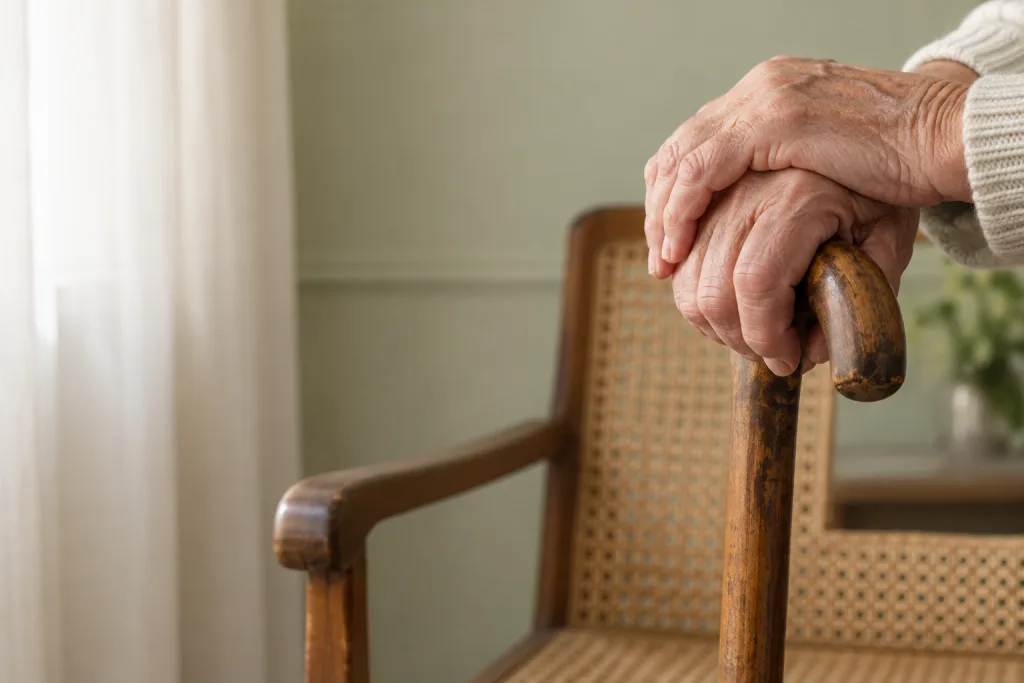
Short answer: among joint pain remedies for older adults, the best-supported steps are regular gentle movement, a healthy weight, comfortable footwear and warmth for comfort, with a doctor involved if pain is persistent.[3][4][7]
Joint pain remedies for older adults: what to know
- Move regularly. Low-impact activity such as walking, swimming, pilates and yoga is recommended for arthritis.[7] For osteoarthritis the NHS calls exercise "one of the most important treatments", but warns that doing too much too quickly, or the wrong kind, may damage joints, so follow a plan from your GP or physiotherapist.[4]
- Ease the load. Losing weight, if you're overweight, reduces strain on knees and hips; suitable footwear and aids that cut joint strain in daily tasks can help.[3]
- Warmth or cold for comfort. Hot or cold packs relieve pain for some people, and a hot-water bottle can be very effective.[4]
- Ask before supplements. The NHS doesn't prescribe glucosamine or chondroitin because there's no strong evidence they work as a treatment.[4]
If you'd like to feel what warmth does before buying anything, our first session is complimentary, and we also offer gentle warm-air devices for use at home. They are wellness products, not treatments.
When to see a doctor
See a GP for pain, swelling or stiffness that doesn't go away within a few days.[7] Ask for an urgent appointment or call NHS 111 for sudden severe pain and swelling in one joint, red or hot skin around the joint, pain that doesn't ease with painkillers, or sore joints with a temperature.[7]
Sources
Written by the Prife iTeraCare team and last reviewed on 10 October 2026. This is general information, not medical advice, and it does not replace your doctor or physiotherapist. A session is a wellness experience, not a medical treatment.
Book a free session and see iTeraCare for yourself at our Anna Nagar centre.