
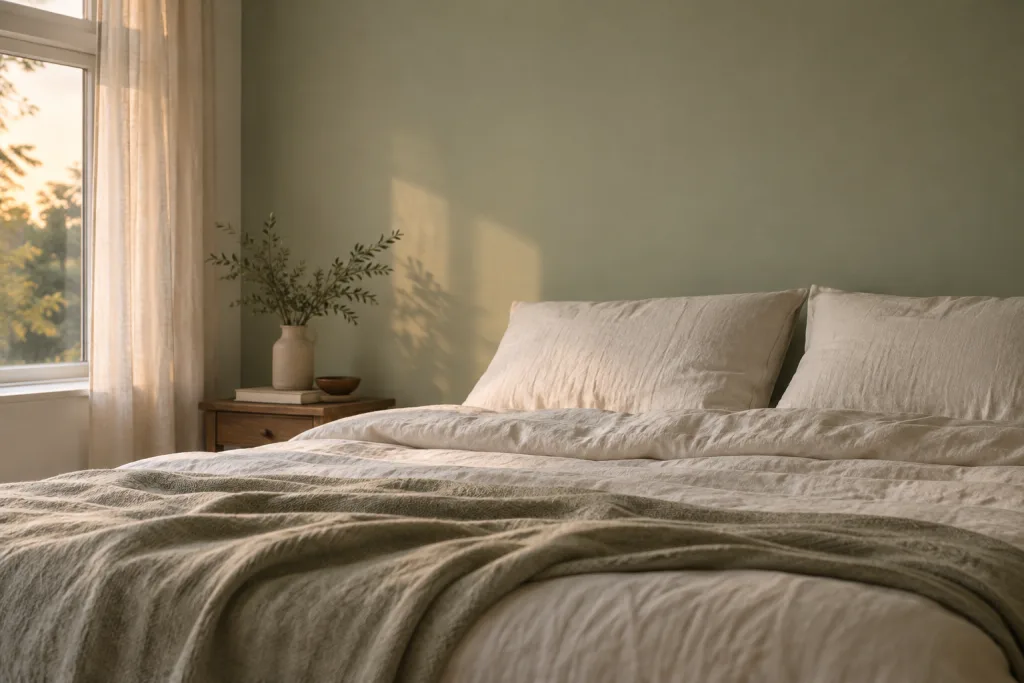
Short answer: most people sleep better naturally by changing habits rather than taking anything: a regular bedtime and wake time, a calm last hour, and a quiet, dark, cool bedroom.[1][2]
Sleep better naturally: what to know
- Keep similar times, even on non-work days.[1]
- Wind down for the last hour with something calming such as reading, breathing exercises or quiet music, and keep phones, tablets and computers away.[1]
- Watch caffeine, alcohol and nicotine. Tea, coffee and some soft drinks keep you alert; a warm milky drink or herbal tea is a suggested alternative.[1] The NHS insomnia page says to avoid caffeine, nicotine and alcohol for at least 6 hours before bed.[2]
- Make the room quiet, dark and cool.[1]
- Move during the day. Regular activity supports better sleep; if late exercise affects your sleep, move it earlier.[1]
- Don't force it. If you're still awake after about 20 minutes, get up, do something relaxing and go back when sleepy.[1]
When to see a doctor
See a GP if changing your habits hasn't helped, you've had trouble sleeping for months, or poor sleep makes it hard to cope day to day.[2]
Sources
Written by the Prife iTeraCare team and last reviewed on 10 October 2026. This is general information, not medical advice, and it does not replace your doctor or physiotherapist. A session is a wellness experience, not a medical treatment.
Book a free session and see iTeraCare for yourself at our Anna Nagar centre.